IBM i modernization
System tooling, LDAP, LAGG, Knex/DB2, and MCP servers that give operators a practical path forward on IBM i without pretending the platform is something else.
Field notes on modernizing IBM i, operating infrastructure, and building software that survives contact with production. This is the personal website of Brian Kimball, a systems engineer and developer based in Delaware.
I work across the boundary between software and infrastructure: racking servers, designing networks, then shipping the application that has to run there. The notes on this site cover IBM i modernization, high-availability architecture, full-stack products, and agent tooling used in daily engineering work.
System tooling, LDAP, LAGG, Knex/DB2, and MCP servers that give operators a practical path forward on IBM i without pretending the platform is something else.
Networks, compute, storage, and redundant physical and logical layers — datacenter installs, pfSense, and systems designed so maintenance is not an outage.
Full-stack products with low operational complexity: Astro, React, Node.js, Hono, Fastify, and Cloudflare — software that still works when a dependency fails.
Custom agent workflows, MCP tools, and internal platforms that make technical teams more capable without hiding the process behind a black box.
The Pi configuration I use for daily development: specialized coding agents, persistent RPC workers, iterative review loops, and a custom orchestration UI.
I wanted a more customizable workout tracker, a budget my wife and I could share, and AI help on both. So I built Compass on TanStack Start and Cloudflare, and made sure it still works when the AI does not.

Why I tore down the Renaissance Technical design and rebuilt the site in Raygun Gothic — atomic starbursts, chrome typography, and a turquoise-coral-gold palette that finally feels like me.
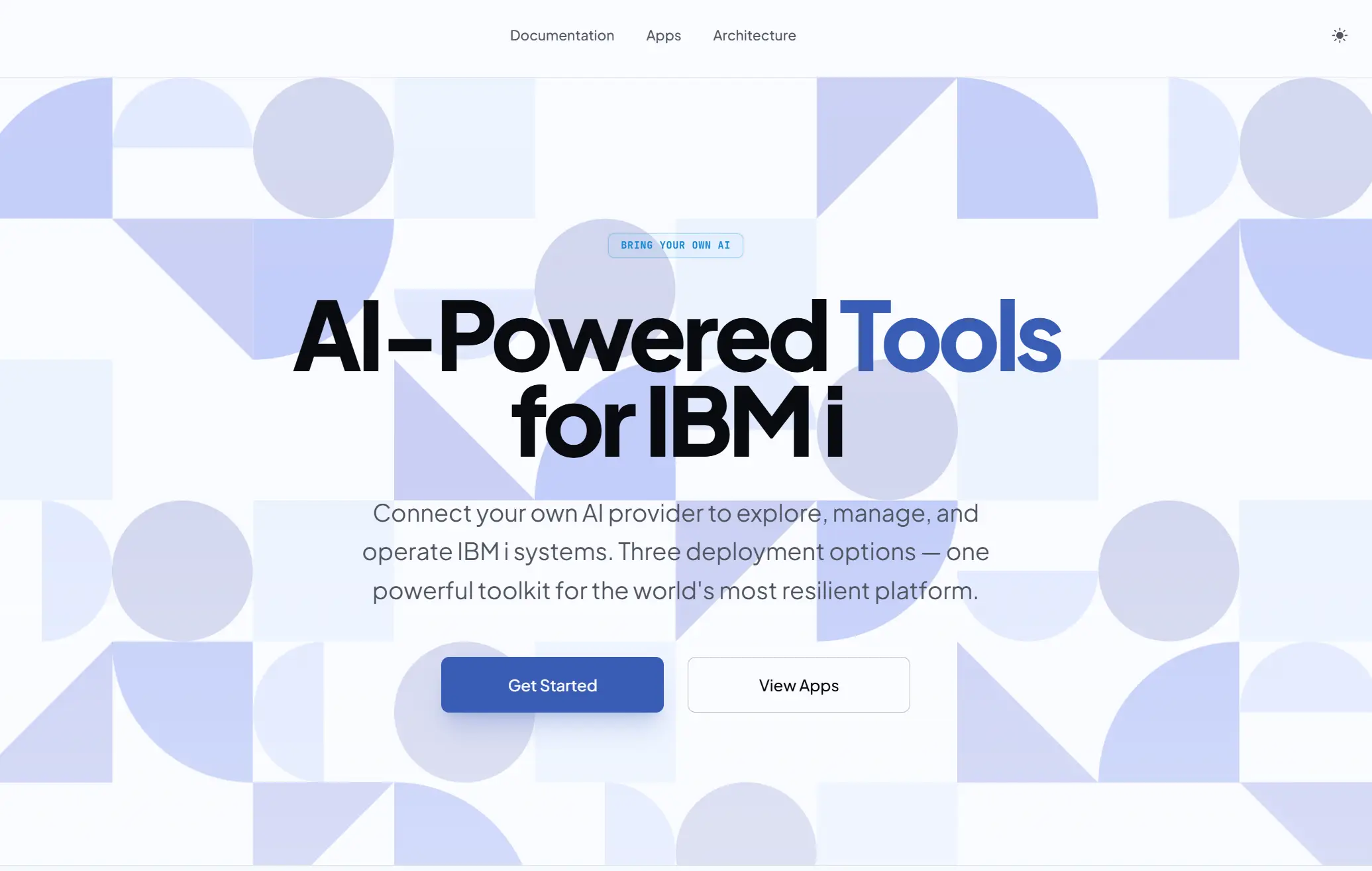
A BYOK MCP server that exposes 31 facade tools for IBM i observability, job management, and security. Built to train new users and accelerate expert workflows.
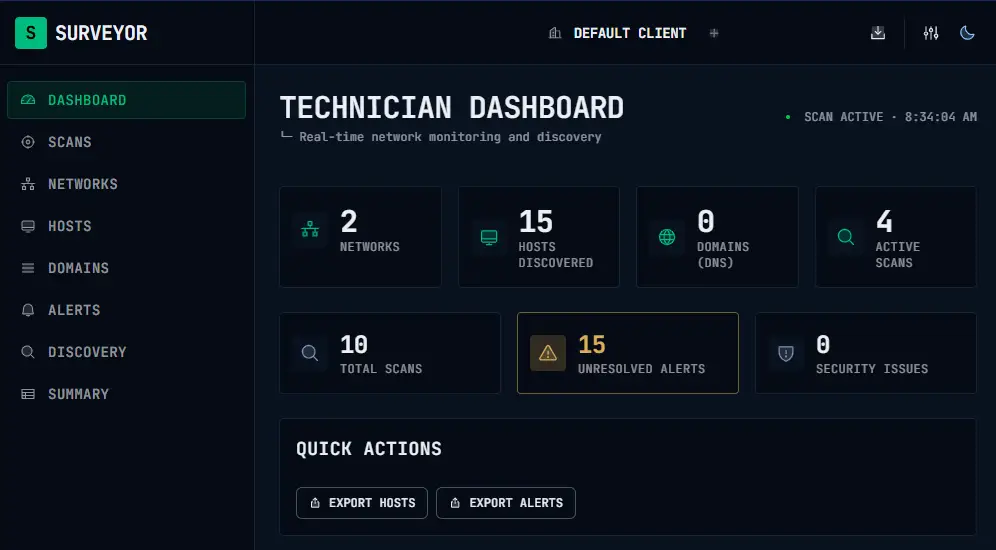
From Raspberry Pi prototype to Wails desktop app: how Surveyor replaces manual nmap commands with stealth scanning and RFC 1918 auto-discovery.

How I used OpenCode and Gemini to build a "Renaissance Technical" design system that pits rigid grids against organic circles—and why AI is the brush, not the painter.
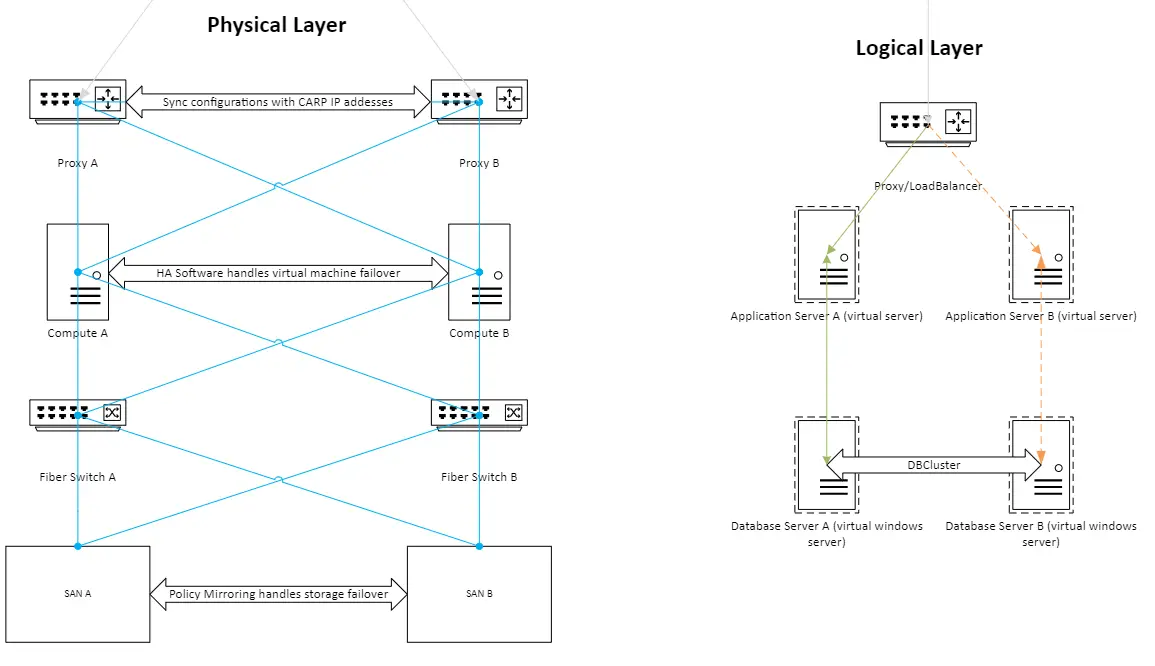
How redundant compute, SAN mirroring, load balancers with CARP, and synchronous database clustering eliminate both hardware failures and maintenance windows.
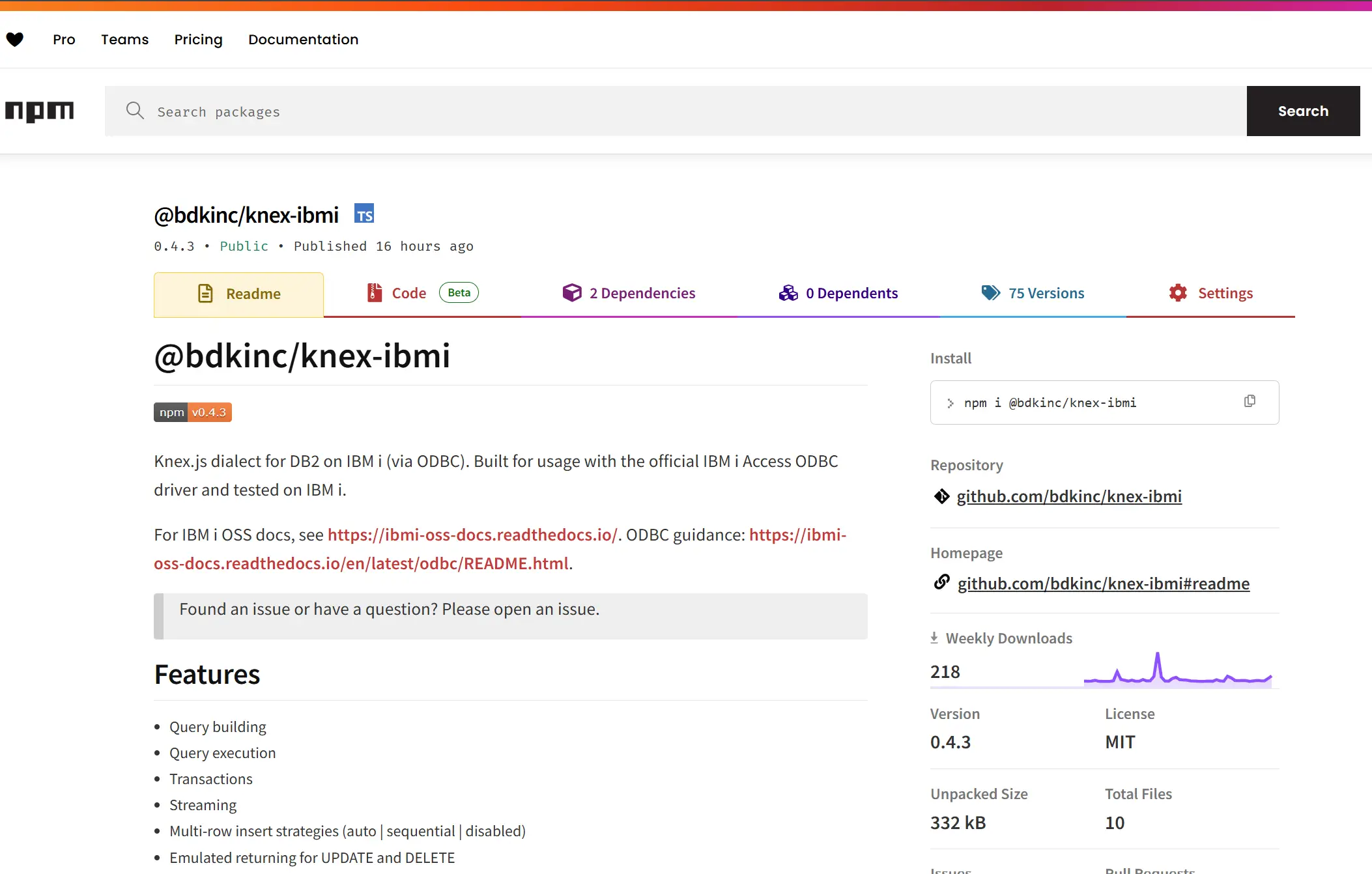
Streaming queries, emulated RETURNING, multi-row inserts, and a custom migration runner. This is the Knex dialect I wish existed when I started building on IBM i.
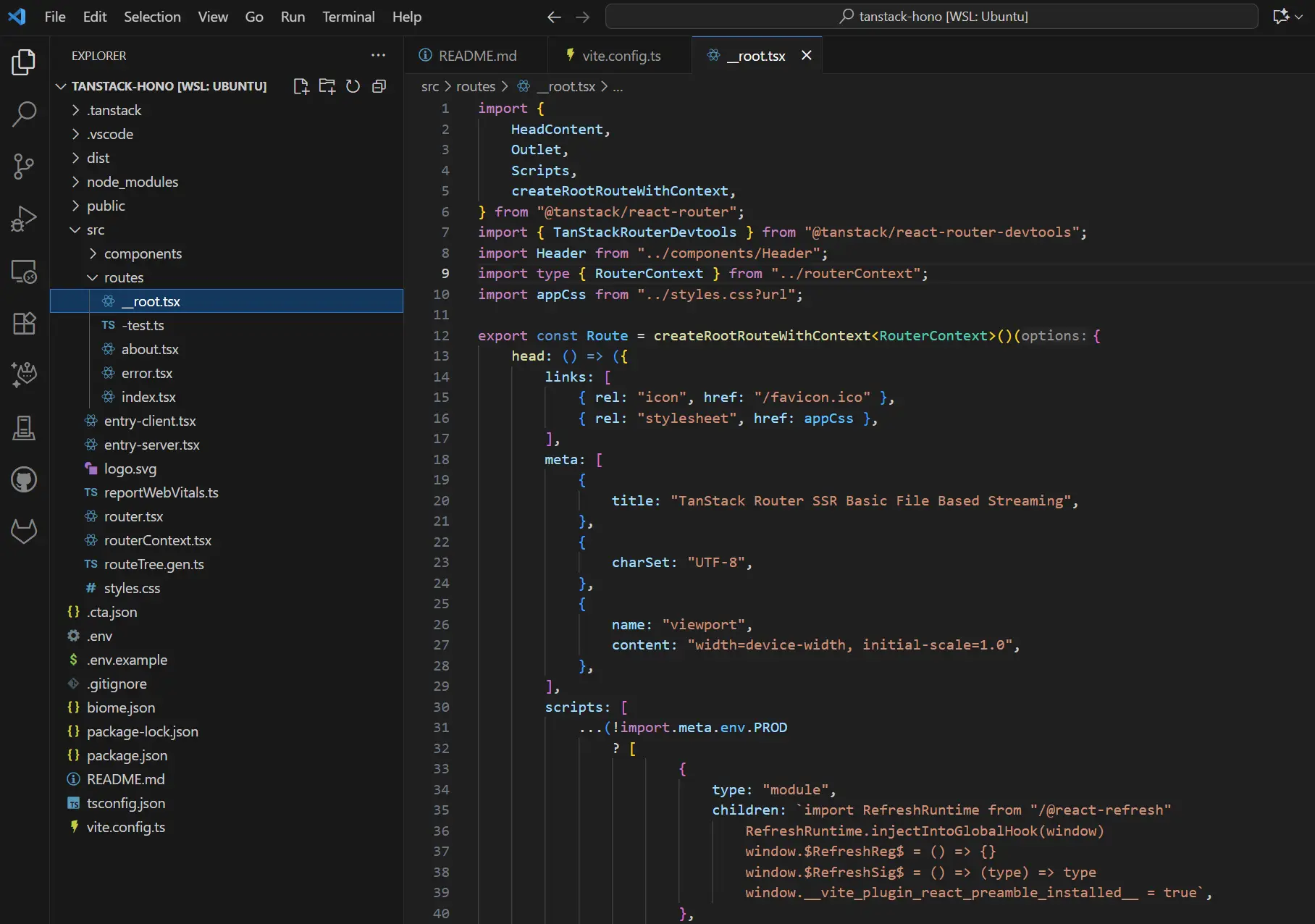
Single-process SSR + CSR with type-safe RPC, Vite, React, and Hono. The goal is low operational complexity without giving up dynamic UI.